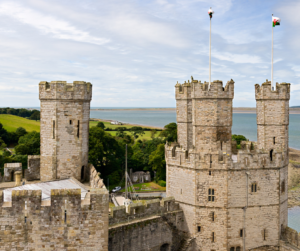
The mountains of slate waste left by generations of quarry workers in Blaenau Ffestiniog, Llanberis, Bethesda, and the Nantlle Valley, could become the fourth World Heritage site in Wales. This would succeed the Pontcysyllte Aqueduct, Blaenavon Industrial Landscape, and the Town Walls and castles of King Edward around Gwynedd.
Governments globally are only able to nominate one site for this status each year. The ministers submitted the formal nomination to UNESCO, which could join sites worldwide such as; the Galápagos Islands, the Vatican City, and the Great Barrier Reef.
The Prime Minister Boris Johnson has backed the slate landscape nomination commenting that it was “an area of remarkable uniqueness and breath-taking beauty”. He went on to praise the significance of the area “having sent its slate across Britain, Europe and even Australia”.

The Slate Landscapes History
The large section of Gwynedd is said to have ‘roofed the 19th Century World’, and the landscape is massively important to North West Wales and its industrial heritage. By the 1870s, slate was up there with one of the biggest industries in Wales. Blaenau Ffestiniog was the name given to the mountains overlooking a valley, but this developed into an industrial town.
A Quarry is where the stone is extracted from the surface, whilst a mine is where tunnelling has taken place to reach the desired rock. The Dinorwig Quarry and Penrhyn Quarry employed over 3000 people, and were the largest two in the world. But that’s not all, the Oakeley mine at Blaenau Ffestiniog was the largest slate mine in the world.

What It’s Like Today
The mountains we see today is the result of the tremendous amount of waste that is left from extracting slate. Every ton of slate that is quarried leaves around 30 tons of waste material. The landscape is now being taken back by nature, with pink heather, lonely birch trees and stunning turquoise quarry pools standing out amongst the grey mountains.
The abandoned quarry buildings and exposed slabs are now of interest to walkers and adventures from across the UK. The Dinorwig quarries are now home to some of the most brutal and best climbs in Snowdonia. Here you can also explore footpaths in the quarry, wander through derelict workers buildings and see parts of rusting machinery.
The world heritage site status would help revitalise and grow the economy of these slate areas, with the decision being made at the 2021 UNESCO Committee meeting.