Booking a first massage appointment often comes with more uncertainty than it should, particularly for anyone who has never had professional bodywork done before. Questions about what to wear, how much pressure to expect, and what the session will actually involve are all completely normal, and knowing roughly what lies ahead tends to make the whole experience far less intimidating. For anyone considering a deep tissue massage in Bangor for the first time, a little preparation goes a long way toward making the appointment feel comfortable rather than uncertain.
Before You Arrive
Most clinics ask new clients to arrive slightly ahead of their appointment time to complete a short health questionnaire, covering any existing injuries, medical conditions, or specific areas of concern. This is a standard part of the process and helps the therapist properly tailor the session rather than working from guesswork. It is worth being thorough here, mentioning anything relevant even if it seems unrelated to massage, since seemingly minor details can occasionally affect how a therapist approaches certain areas of the body.
The Consultation Before Treatment Begins
Before any physical treatment starts, a good therapist will talk through what you are hoping to get out of the session. This might be general relaxation, relief from a specific area of tension, or ongoing support for ongoing issues like lower back pain or tight shoulders from desk work. This is the right moment to mention any areas you would prefer avoided, previous injuries, or your general pressure preference. A therapist who takes proper time to understand your needs beforehand tends to deliver a considerably more effective session than one who skips straight to treatment.
What to Wear and How Much to Undress
This is one of the more common sources of first-time nervousness, and the honest answer is that it comes down entirely to personal comfort. Most people undress to their underwear for deep tissue work, though some prefer to keep more clothing on, particularly for a first visit. Therapists are trained to work respectfully regardless of what a client chooses to wear, using proper draping techniques throughout so only the area being treated is ever uncovered. There is no single right answer here beyond whatever feels comfortable to you.
What the Treatment Itself Feels Like
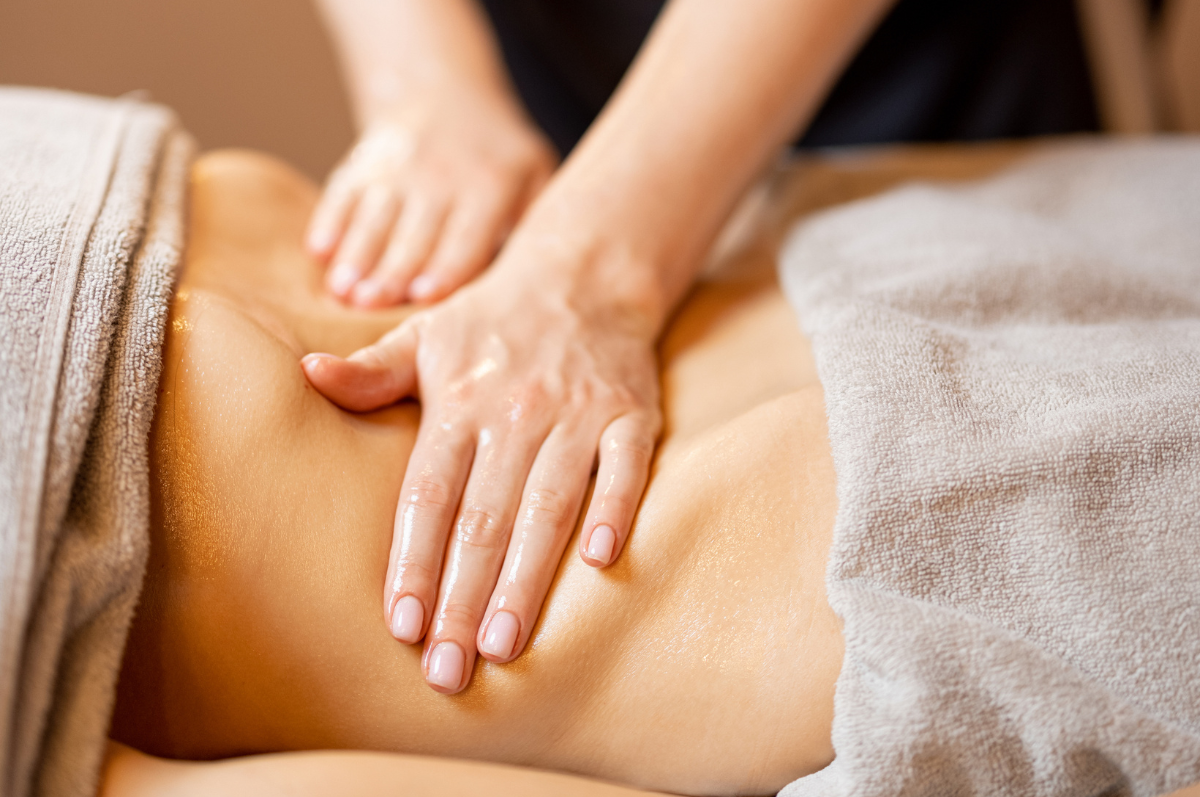
Deep tissue massage involves noticeably firmer pressure than a typical relaxation massage, working into deeper layers of muscle to address genuine, chronic tension rather than surface-level stress alone. This can feel intense in particularly tight areas, often described as a mix of discomfort and relief, but it should never feel genuinely painful. A good therapist checks in regularly about pressure levels throughout the session, and speaking up if something feels too intense, or not intense enough, tends to produce a far better result than enduring discomfort silently.
How You Might Feel Afterward
Some mild soreness in the day or two following a deep tissue session is completely normal, particularly when significant tension has been worked on. This tends to feel similar to post-workout soreness and generally fades within a day or two. Staying properly hydrated afterward is usually recommended, since it helps the body process the effects of the massage more comfortably. Most people also notice a genuine sense of looser, more relaxed muscles once the initial soreness subsides, especially in areas that had been holding tension for some time.
Questions Worth Asking Before Booking
New clients often benefit from asking a few simple questions in advance, how long a typical session runs, which areas the therapist usually focuses on for a first visit, and whether there is anything worth flagging beforehand given individual circumstances. A clinic willing to answer these questions clearly and patiently before you even arrive is generally a good indicator of how the appointment itself will go.
Communicating Openly During the Session
One of the most valuable things a first-time client can do is communicate honestly throughout the session, rather than assuming they simply have to accept whatever pressure or approach the therapist applies. Flagging discomfort, asking the therapist to adjust pressure, or mentioning if a particular technique does not feel right are all completely normal parts of the process, and a good therapist welcomes this feedback rather than finding it disruptive.
Why a First Appointment Often Sets the Tone
A positive first experience tends to shape how comfortable someone feels about continuing with regular massage going forward, which matters considerably given how much more benefit tends to come from a consistent routine rather than a single isolated session. Choosing a clinic that takes the time to get this first appointment right, through proper consultation and clear communication, makes it considerably more likely a client will return and build massage into an ongoing part of their routine.
Final Thoughts
A first massage appointment does not need to feel like a source of anxiety once you know roughly what to expect. From the initial consultation through to how your body might feel in the days afterward, most first-visit uncertainty comes simply from not knowing the process in advance. Going in with realistic expectations, and being open with your therapist throughout, tends to make for a considerably more comfortable and genuinely beneficial first experience.