Unfortunately, finding a new patch of damp or mould isn’t a huge surprise to homeowners. This is especially true during the wet late spring or late summer months when the air has high humidity.
Mould damage is due to water and moisture, so if you want to keep it out, it’s best to keep your roof in check. Local roofers caernarfon will be able to carry out a full inspection and spot any issues.
If your home is old, or you look after a large commercial building, then ideally, you should be getting your roof checked more often. These properties are more susceptible to mould damage.
To prevent mould growth you can even think about what conditions support the growth, and keep an eye out for signs of these. Stopping it before it becomes a problem will help you avoid other complications.
What causes mould to grow in a home?
Mould actually thrives in environments that are warm and wet, and it spreads by releasing its spores into the air, which stick and multiply. This is why mould absolutely loves poorly ventilated space such as attics and basements.
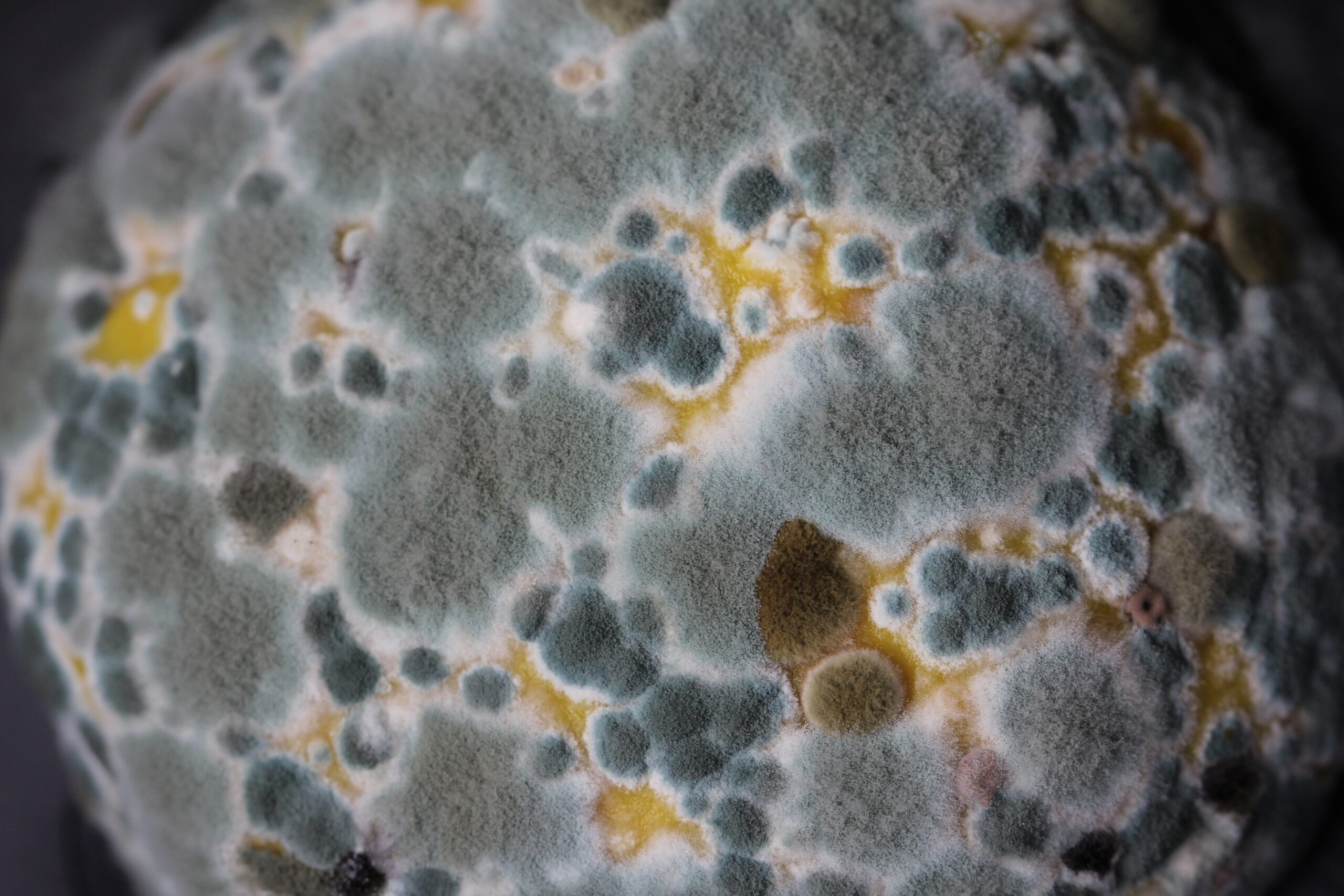
It’s quite easy to spot a patch of mould – you’ll see a patch of either brown, black, dark green or even pink, most often accompanied by a musty smell. The most popular moulds to find in a home is aspergillus, penicillium, cladosporium and alternaria. These each have their own set of characteristics, but all are caused by the following:
- A period of heavy rainfall or flooding
- Blocked gutters – meaning poor drainage and water build-up
- Leaking appliances in the home
- Damaged pipes and dodgy plumbing
- broken/missing roof slates and tiles
Is household mould dangerous?
Mould is known to cause us various health problems, including damaging our respiratory system. So, if you spot mould in a room which you are often in for long periods of time, then you’ll want to get it sorted immediately. If left, you may experience wheezing, red eyes, itchy skin or a blocked nose. Symptoms will also be exacerbated if you are allergic.
Mould spreads super fast – but whilst it may not cause any real damage to your home, it’s associated with dry rot – which can be disastrous. Dry rot seriously deteriorates the strength of wood, so if this gets into your roofs internal structure, you’ll be pretty screwed.
How do I prevent mould in my home?
The most simple way to prevent mould from attacking your home is to keep on top of the general maintenance. Your flat roof is a good place to start, as a good roof is crucial in keeping moisture out. If you have a period of heavy snowfall or rain, your roof could potentially leak.
Other means of preventing mould in the home include:
- Relacing any broken or leaky appliances which use water
- Inspect your plumbing systems for leaks
- Routinely clean humid rooms with bleach spray
If you are unsure what to do when you spot mould, contact professional flat roofers north wales for guidance.