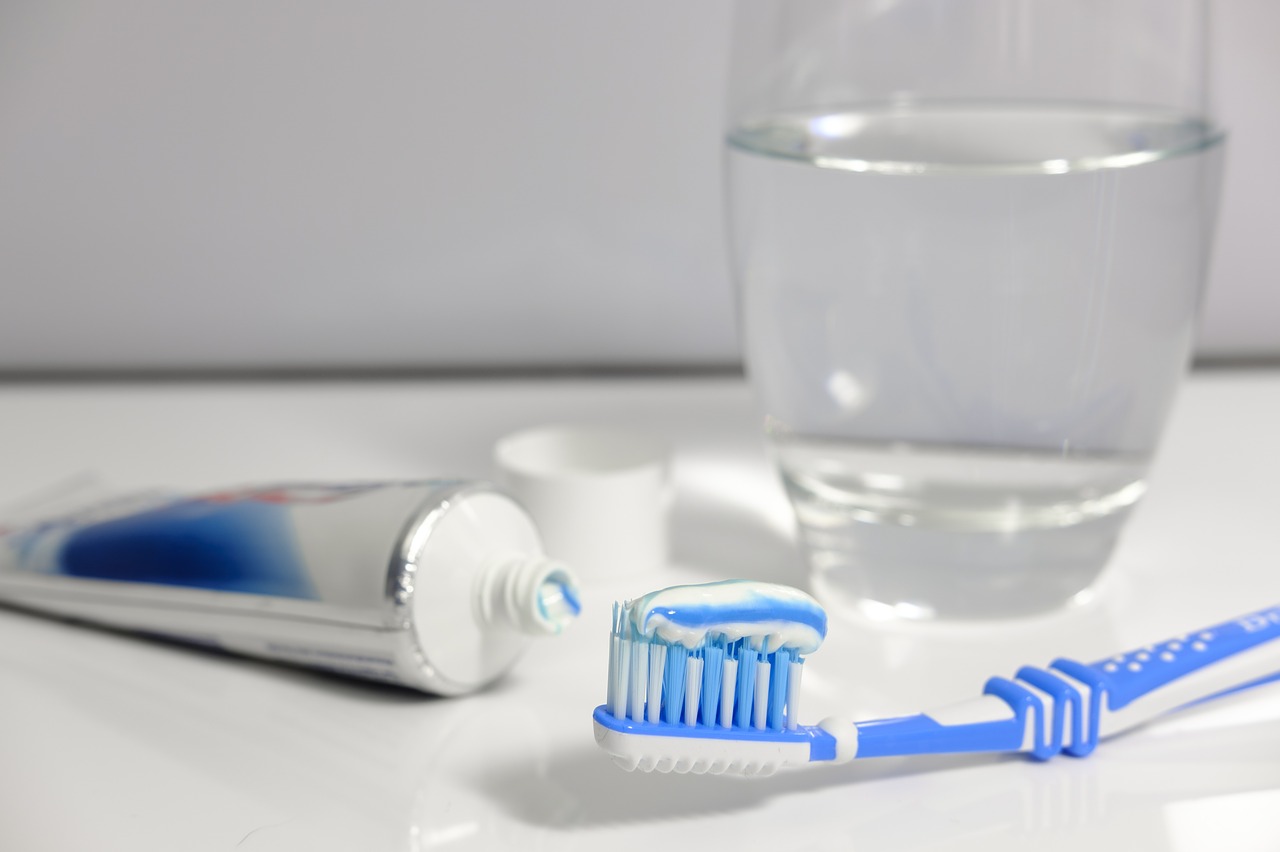
It’s important to keep on top of your dental care and to look after your teeth and gums. We have put a list together of some commonly asked questions regarding dental health. If your question hasn’t been answered, it’s best to contact a dentists North Wales to make sure you get your query sorted.
Why are my gums bleeding?
Gums begin to bleed when they get irritated, or if they become inflamed. This is not considered a normal thing to happen.
Bleeding gums can be caused by a buildup of plaque, which, when left on the teeth, can cause this inflammation of the gums called gingivitis. If gingivitis is not sorted, it can develop into gum disease.
Keep brushing your teeth and gums, and practicing good oral hygiene if your gums are bleeding. If they do not stop bleeding after a couple of days of good hygiene, then speak to a dentist.
Why is my mouth dry?
Having a dry mouth can be very uncomfortable, and even make certain foods quite difficult to eat.
Dry mouth can be caused by many different things, and becomes more common as you get older. It is usually a side effect from medications that are for your heart, depression, or your blood pressure.
If you are currently taking medication, speak to your doctor to see if there is an alternative that might not cause the same symptoms.
Your dentist can recommend many products which can help with a dry mouth.
What can I do about my sensitive teeth?
Firstly, it’s a good idea to try a toothpaste which is specifically for sensitive teeth. Sometimes, rubbing a small amount of toothpaste onto the affected area before bed will help to keep your teeth protected.
If you have sensitive teeth, you should be avoiding acidic food and drinks. You also must wait an hour after eating before brushing your teeth, as this can cause extra sensitivity.
Grinding your teeth at night can also be a cause of sensitivity. If you suspect you do this, then you should get a mouth guard to protect your teeth.
If your pain continues then you should speak to a dentist, who can help you find the cause of the sensitivity and suggest other solutions.
What happens at your first dentist appointment?
At your first visit to your new dentist, they will take all the information from you which they need to make sure you are treated safely.
Your new dentist will then do a check up and chart of your mouth and teeth, and take a look at any treatment you have had in the past.
You will have the condition of your teeth, gums, and oral hygiene assessed, which could include some x rays. If you require any treatment, the dentist will explain this to you, and what your next steps should be.
What should I do if I accidentally knock my tooth out?
You can actually try and get the tooth back in. If it is clean, then hold the tooth by the crown and push it firmly back into place. You will then need to bite on a clean cloth for the next 20 minutes.
If the tooth is not staying in, it has a better chance of surviving if you keep it in the side of your mouth, next to your cheek whilst you’re on the way to a dentist. If you cannot do this then put it in a glass of milk to bring with you.
Your tooth needs to be sorted ideally within 30 minutes, so make sure you get dental help as soon as possible.