North Wales is one of the UK’s most diverse and wildlife-rich regions, offering a rare combination of sweeping coastal cliffs, ancient woodlands, rugged mountains, and tranquil estuaries. During the summer months, the landscape comes alive with movement and sound, as native and migratory species take full advantage of the longer, warmer days. Whether you’re hoping to see iconic birds of prey, playful marine mammals, or elusive forest dwellers, North Wales is a paradise for nature lovers.
Here are the best places to see wild animals in North Wales during the summer, alongside some tips to make your wildlife adventures even more rewarding.
1. RSPB South Stack, Anglesey
Located on Holy Island, off the northwest coast of Anglesey, South Stack Cliffs are one of the most dramatic and wildlife-rich destinations in the country. The steep cliffs provide a vital nesting site for tens of thousands of seabirds. In early summer, puffins return to their burrows to breed, sharing the cliffs with razorbills, guillemots, fulmars, and kittiwakes. The surrounding heathland is also rich in wildflowers and insects, which attract choughs, which are a rare red-beaked member of the crow family.
On calm days, watch the waters below for bottlenose dolphins, harbour porpoises, and grey seals, which can often be seen playing in the waves.
Don’t miss: The historic South Stack Lighthouse and seabird viewing platforms.
Best time to visit: May to July for puffins; early morning or late afternoon for marine mammals.
2. Snowdonia National Park
Snowdonia (Eryri) is not just for climbers and hikers. The 823 square miles of protected landscapes offer incredible opportunities for wildlife encounters. The park’s diverse habitats, from alpine slopes and glacial valleys to temperate rainforests and peat bogs, support a rich ecosystem.
Look skyward for soaring red kites and buzzards, and scan the lakes and rivers for otters, especially around Llyn Dinas, Llyn Tegid, and the Glaslyn River. Pine martens and badgers may be seen at dawn or dusk in quieter wooded areas.
Snowdonia is also one of the last refuges of feral mountain goats, particularly around Cwm Idwal and Nant Gwynant. For birdwatchers, summer is the best time to hear the haunting call of the nightjar in upland moorland. Snowdonia is also known as one of the most scenic places to drive in the world.
Top tip: Visit the Gwydir Forest near Betws-y-Coed to try your luck spotting rare red squirrels.
3. Ynys-hir RSPB Reserve, Dyfi Estuary
Tucked away between Machynlleth and Aberystwyth, the Ynys-hir reserve lies at the meeting point of estuary, woodland, and saltmarsh. This mix of habitats makes it a hotspot for wading birds and raptors.
Summer brings migratory birds such as lapwings, redshanks, and oystercatchers, while ospreys, reintroduced to the Dyfi Valley, hunt fish from above. The trails here are quiet and shaded, making it a great family-friendly spot for patient wildlife watching.
Wildlife to look out for: Marsh harriers, otters, ospreys, butterflies, lizards.
Accessibility: Several well-marked walking routes and bird hides available.
4. Clocaenog Forest, Denbighshire
Less well-known but rich in natural beauty, Clocaenog Forest in northeast Wales is one of the most important habitats for red squirrels on mainland Britain. These shy creatures are most often seen in the early morning or late evening. There are also increasing sightings of pine martens, thanks to ongoing conservation efforts.
Bird lovers will find a variety of forest specialists here, including crossbills, siskins, and the nocturnal nightjar, which sings its distinctive churning song from May to August.
Insider tip: Join a guided red squirrel walk in the summer with local wildlife groups.
5. Great Orme, Llandudno
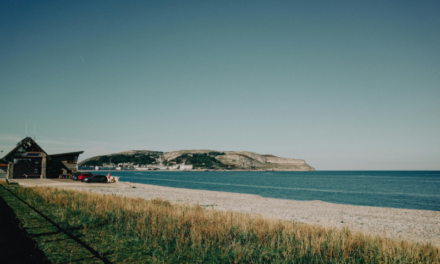
The Great Orme is a striking limestone headland that rises above the seaside town of Llandudno. Famous for its population of wild Kashmiri goats, which were originally gifted by Queen Victoria, the area also provides excellent viewing for peregrine falcons, ravens, and a wide range of butterflies and wildflowers.
The cliffs and grassy slopes offer sweeping views over the Irish Sea. On a clear day, you might see dolphins or even a basking shark in the waters below.
Wildlife watching tip: Take the cable car or tramway for easy access to panoramic cliff-top trails.
6. Bardsey Island (Ynys Enlli)
For a truly wild experience, catch a boat to Bardsey Island, located off the tip of the Llŷn Peninsula. This small, remote island is a designated National Nature Reserve and a sanctuary for seabirds, including manx shearwaters, storm petrels, and puffins.
Grey seals can be spotted basking on the rocks, and during boat crossings, keep your eyes peeled for bottlenose dolphins and even minke whales.
Due to its isolation, Bardsey is also one of the darkest places in the UK, making it perfect for stargazing and nocturnal wildlife spotting.
Practical note: Trips to the island are weather-dependent and must be booked in advance.
7. Cors Dyfi Nature Reserve & the Dyfi Osprey Project
Near Machynlleth, Cors Dyfi is a raised bog and wetland reserve best known as home to the Dyfi Ospreys. From spring through summer, these majestic birds of prey return to nest and raise chicks on camera-monitored platforms. Elevated hides and boardwalks allow close-up views without disturbance.
The surrounding wetland also supports grass snakes, otters, and a rich variety of damselflies and dragonflies.
Best for: Families and photographers. Live cameras and viewing platforms give an immersive wildlife experience.
Responsible Wildlife Watching Tips:
- Be quiet and patient. Wild animals are more likely to appear in calm, undisturbed environments
- Bring binoculars and a field guide to help identify species without approaching too closely
- Stay on marked paths to protect sensitive habitats and nesting areas
- Avoid feeding wild animals, which can disrupt their natural behaviour
- Check local visitor centres for updates on recent sightings and best times to visit
North Wales is one of the UK’s last great wildernesses, where ancient landscapes and modern conservation efforts come together to create unforgettable wildlife experiences. Whether you’re quietly watching a red squirrel in a conifer forest, marvelling at seabird colonies from a cliff-edge, or spotting a seal from a coastal path, there’s no shortage of magical moments waiting in this part of the world.
So grab your walking boots, pack a picnic and your camera, and head outdoors. The wild wonders of North Wales are calling. And if you’re travelling to North Wales during Winter, there is plenty of wildlife in North Wales at Winter to explore.