Roof trusses are the most popular choice for the structure of a roof, and for a very good reason too. They have many advantages over other solutions, so it’s not surprising that most designers and architects in the UK opt for them. In short, roof trusses are quick to install, designed bespoke for the perfect fit, and affordable.
As the world rapidly moves to more sustainable options, the decision to choose roof trusses is also on the rise. In comparison to the more traditional trussed rafters, roof trusses can save around 30% on timber. Many manufacturers use sustainable timer too, so its best to ask if you are conscious of this.
Roof trusses come in many variations, all based around the shape of a triangle – the strongest shape for a structure. The shape and size of this will depend on the build. You can be advised on the best style by speaking to you architect or a professional roof truss designer and manufacturer. But which styles are most common?
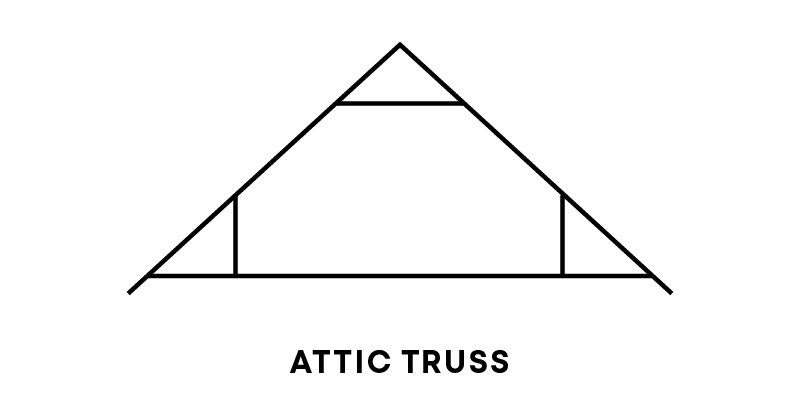
Attic Truss
The attic truss is commonly referred to as the ‘room in roof truss’ and is one of the more simple styles. It provides strong support for your roof, whilst creating a floor in the attic too. They offer additional living space without changing the design of your home.

Flink Truss
This truss had an internal structure of the wood in the shape of a W. This shape provides the most amount of strength using the least amount of material – it is essentially a ‘web’ creating extra strong triangles.

Hip Truss
A hip truss is built without the tip of the truss. These are used where the overall height of a building is an issue, so create a flat section between the two slipes of a roof. 
Mono Truss
A mono meaning ‘single’ or ‘one’ resembles half of a roof truss – providing one side to a sloping roof. The only slope in one direction and are created to make multiple level roof lines. These are used to add additional roofing to an existing build.

Raised Tie Truss
Raised tie trusses have a raised bottom chord. These would be used in a roof where you want to achieve more headroom.

Scissor Truss
A scissor truss has a similar design to the raised tie truss but created a shallower angled ceiling.