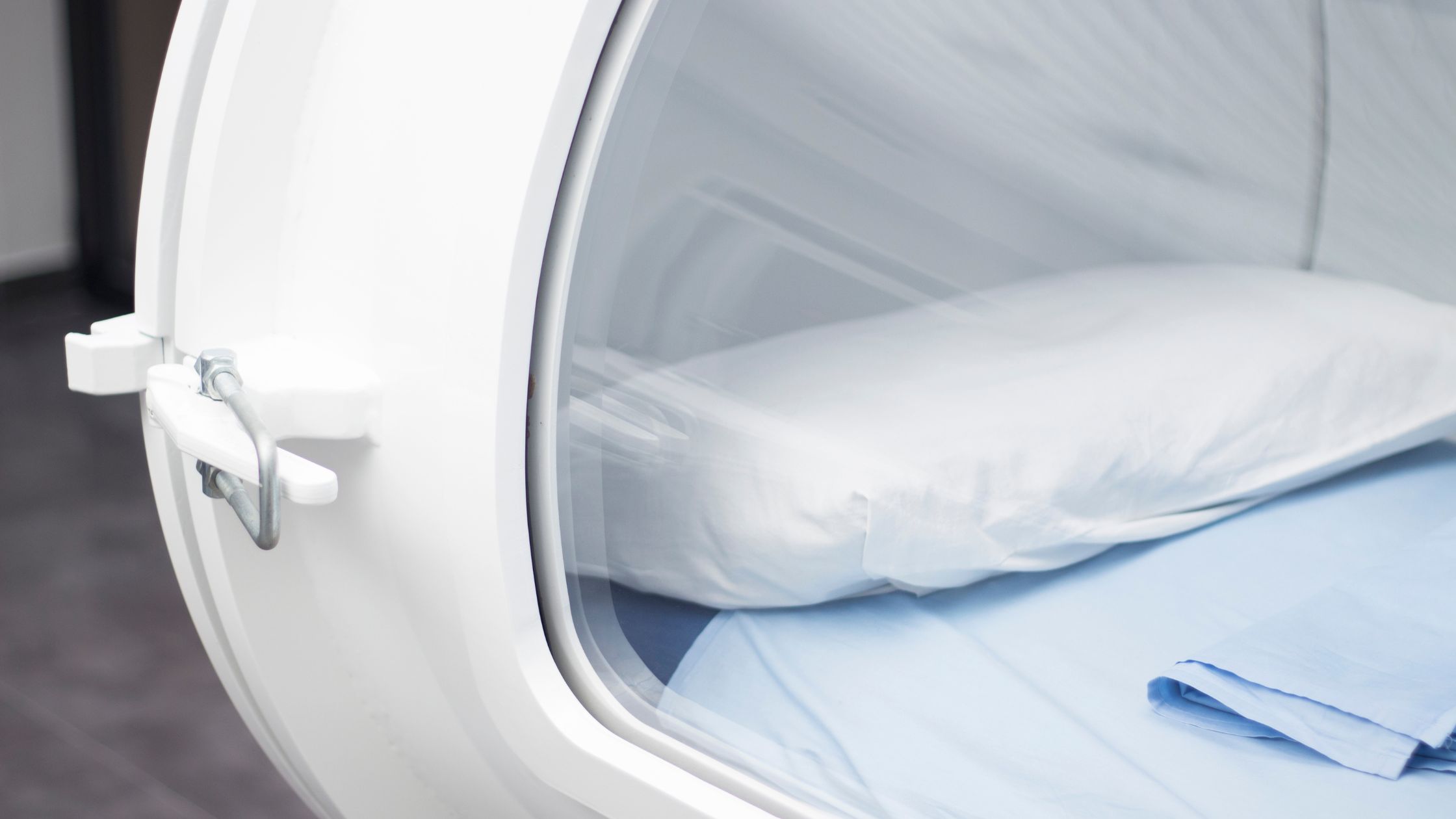
Two of the fastest-growing areas of interest in hyperbaric oxygen therapy services north wales are sports recovery and the management of long COVID. In both cases, the same fundamental mechanism is at work: the delivery of substantially elevated levels of dissolved oxygen to tissues throughout the body, with effects on inflammation, cellular repair, immune function, and energy production. In both contexts, patient-reported outcomes are compelling and clinical research is actively advancing, even if definitive large-scale trial data is still accumulating.
This article looks in detail at how HBOT is being used in these two areas, what the evidence currently shows, who might benefit, and how to approach HBOT as part of a broader recovery or management strategy.
Please note: this article is for informational purposes only. HBOT is a medical intervention and anyone considering it should seek advice from a qualified healthcare professional before starting treatment.
HBOT for Sports Recovery: Why Athletes Use It and What It Does
Recovery is as important to athletic performance as training. The ability to recover quickly and completely between sessions determines how often an athlete can train at high intensity, how well they tolerate training loads, and how consistently they can perform. Any intervention that genuinely accelerates recovery or reduces the injury burden of training is therefore of significant interest to athletes at every level, from weekend runners and club-level cyclists to professional sportspeople.
HBOT has been used by elite athletes for decades, and in recent years its accessibility in clinic settings has extended its use to a much wider population. Football clubs, rugby unions, and professional cycling and athletics programmes have incorporated HBOT into their recovery protocols, and the experience of high-performance sport is beginning to filter through to amateur and recreational athletes seeking similar benefits.
The Physiology of Exercise-Induced Tissue Damage
Intensive exercise causes microscopic damage to muscle fibres, connective tissue, and other structures. This damage is an intended part of the adaptation process: the body repairs the damaged tissue slightly stronger than it was before, producing the progressive improvements in strength and fitness that training generates. However, this repair process takes time, requires adequate oxygen and nutrient supply, and produces an inflammatory response that causes the soreness and stiffness familiar to anyone who trains hard.
When training loads are high, or when competition or injury compresses the available recovery time, the normal repair process may not be able to keep pace with the damage being done. This leads to accumulated fatigue, increased injury risk, and eventually to overtraining syndrome if the imbalance is sustained. Interventions that accelerate the repair process and reduce the inflammatory burden of training help to restore this balance.
How HBOT Supports Athletic Recovery
The mechanisms by which HBOT supports recovery are well matched to the physiology of exercise-induced tissue damage. The key effects relevant to athletic recovery include the following.
Reduced inflammation: HBOT reduces the levels of pro-inflammatory cytokines in circulation and in damaged tissues. This modulation of the inflammatory response does not suppress the repair process itself but reduces the painful and function-limiting effects of excessive or prolonged inflammation. Athletes using HBOT after high-intensity training typically report less delayed onset muscle soreness and faster return to full training capacity.
Accelerated tissue repair: the elevated oxygen levels delivered by HBOT support the cellular processes of tissue repair, including collagen synthesis, cell proliferation, and the clearance of metabolic waste products from damaged areas. Injuries to tendons, ligaments, and cartilage, which have naturally poor blood supply and heal slowly, appear to benefit particularly from the improved oxygen availability that HBOT provides.
Improved sleep quality: sleep is the most important recovery tool available to any athlete, and HBOT has been shown to improve both the subjective quality and objective markers of sleep in many patients. Better sleep accelerates recovery from all forms of physiological stress, creating a positive feedback loop in which improved recovery allows higher training quality, which produces better adaptation.
Mitochondrial support: during periods of high training load, the mitochondria in muscle cells are under significant stress. HBOT’s capacity to support mitochondrial function and improve cellular energy production contributes to the reduction in fatigue and the improvement in exercise capacity reported by many athletes following a course of sessions.
Specific Sports Injuries and HBOT
Beyond general recovery support, HBOT is used for specific acute and chronic sports injuries. Its use is particularly well established in the following contexts.
Muscle tears and strains: early HBOT after a muscle tear can reduce the severity of the inflammatory response, limit secondary tissue damage, and accelerate the early stages of healing. Athletes who begin HBOT within the first day or two after a significant muscle injury typically report faster progression through the rehabilitation stages.
Tendon injuries: tendinopathy, the degeneration of tendon tissue seen in conditions like Achilles tendinopathy and patellar tendinopathy, is notoriously difficult to treat and slow to resolve. The poor blood supply to tendons limits their natural capacity for repair. HBOT addresses this directly by delivering oxygen through plasma dissolution, bypassing the circulatory limitation, and stimulating the angiogenic response that improves long-term blood vessel supply.
Concussion in sport: sports concussion has received enormous attention in recent years, particularly in contact sports including rugby, football, and boxing. HBOT is one of the interventions being explored for both acute and chronic concussion management, with the rationale that improved oxygen delivery to the peri-injury zone of impaired perfusion supports recovery of neural tissue. This is an area of active research and clinical interest.
How to Incorporate HBOT Into a Training and Recovery Plan
For athletes using HBOT as a recovery tool, timing matters. Sessions used after a high-intensity training block or competition are most commonly scheduled within 24 hours of the training load, when the inflammatory response is at its peak and the benefits of modulating it are greatest. For injury management, the protocol will depend on the nature and severity of the injury and should be guided by the practitioner supervising your rehabilitation.
HBOT works best as a complement to, not a replacement for, good training hygiene: adequate sleep, appropriate nutrition, progressive load management, and skilled rehabilitation when injuries occur. An athlete who uses HBOT to accelerate recovery but neglects sleep and nutrition will not achieve the full potential of the intervention.
HBOT and Long COVID: The Emerging Evidence
Long COVID, defined as persistent symptoms following acute COVID-19 infection lasting more than twelve weeks and not explained by an alternative diagnosis, has emerged as one of the most significant and least understood health challenges of the past five years. Conservative estimates suggest that several hundred thousand people in the UK are currently living with long COVID symptoms significant enough to affect their daily lives, and the global burden is in the tens of millions.
The most commonly reported long COVID symptoms include profound fatigue, cognitive impairment and brain fog, breathlessness, post-exertional malaise (in which symptoms worsen disproportionately after physical or mental exertion), sleep disturbance, headaches, and widespread pain. For many sufferers, these symptoms persist for months or years and significantly reduce quality of life and the ability to work.
Why Conventional Treatments Offer Limited Help
One of the most frustrating aspects of long COVID for patients and clinicians alike is the lack of proven effective treatments. The NHS long COVID clinics established in response to the pandemic provide assessment and support, but the therapeutic options available are largely symptomatic and supportive rather than addressing the underlying biological mechanisms thought to drive the condition.
Research into the mechanisms of long COVID has identified a number of biological abnormalities that may explain the symptoms: persistent viral reservoir or viral fragments triggering ongoing immune activation; microclots in the small blood vessels impeding oxygen delivery to tissues; mitochondrial dysfunction affecting cellular energy production; and neuroinflammation driving cognitive symptoms and fatigue. Each of these mechanisms has potential relevance to HBOT’s mode of action.
The Clinical Evidence for HBOT in Long COVID
The most significant published clinical trial of HBOT for long COVID was carried out at Shamir Medical Centre in Israel and published in the journal Nature Communications. The randomised, sham-controlled trial enrolled eighty patients with long COVID and divided them into two groups: one receiving forty sessions of HBOT over eight weeks, and one receiving a sham treatment in which the chamber was pressurised with normal air rather than high-concentration oxygen. The HBOT group showed statistically significant improvements in cognitive function, energy levels, sleep quality, psychiatric measures, and pain compared to the sham group, with corresponding improvements visible in brain imaging and laboratory markers of inflammation and neuroplasticity.
This trial was conducted at higher pressure (2.0 atmospheres with 100 percent oxygen) than the mild HBOT typically offered in UK clinic settings, which is an important caveat. However, other research and substantial patient-reported experience from mild HBOT settings have also described meaningful improvements in long COVID symptoms, and the mechanistic rationale for benefit applies across the pressure range.
Further randomised controlled trials of HBOT for long COVID are under way, including trials specifically evaluating mild HBOT protocols. The evidence base is developing rapidly, reflecting both the scale of the clinical need and the scientific interest in HBOT’s mechanisms.
Which Long COVID Symptoms Does HBOT Target?
Patient and clinical reports suggest that the symptoms of long COVID most likely to respond to HBOT include the following.
- Brain fog and cognitive impairment: improvements in memory, processing speed, concentration, and word-finding are among the most consistently reported benefits, consistent with the neuroimaging evidence of improved neural perfusion and neuroplasticity
- Fatigue: the profound and persistent fatigue of long COVID, distinct from simple tiredness, appears to respond to the mitochondrial support and reduced inflammatory burden of HBOT in many patients
- Post-exertional malaise: some patients report that HBOT reduces the severity and duration of post-exertional worsening, allowing them to gradually increase their activity levels over a course of treatment
- Sleep quality: disturbed sleep is a near-universal feature of long COVID, and improvements in sleep quality are frequently reported after HBOT sessions
- Headache: HBOT’s anti-inflammatory and vasoconstrictive effects may contribute to improvement in the persistent headache that many long COVID patients experience
- Breathlessness: in patients where breathlessness reflects impaired oxygen utilisation rather than structural lung damage, HBOT may improve symptoms
Setting Realistic Expectations for Long COVID Treatment
It is important to approach HBOT for long COVID with realistic expectations. Not all long COVID patients respond to HBOT, and the extent of benefit varies considerably. Some people experience dramatic improvements; others see more modest changes; a small number notice little effect. The condition itself is heterogeneous, meaning that different biological mechanisms may predominate in different patients, and the subset most likely to respond to HBOT may be those where microvascular dysfunction and neuroinflammation are the primary drivers of symptoms.
Long COVID patients considering HBOT should also be aware of the importance of pacing. Post-exertional malaise means that over-exertion, including attending sessions that are too frequent or too physically demanding in the early stages of treatment, can provoke symptom flares. A clinic experienced in working with long COVID patients will understand this and will advise on appropriate session frequency and complementary support.
HBOT in North Wales: Access and Availability
For many people in North Wales, access to NHS-provided HBOT is limited to a small number of established medical indications treated in hospital settings. The availability of mild HBOT in complementary health clinics in the region means that people seeking HBOT for sports recovery, long COVID, chronic fatigue, and other wellness applications can access it locally without the need to travel long distances.
North Wales has a substantial and active sports community, from fell runners and mountain bikers in Eryri to rugby clubs, football teams, and endurance athletes across the region. The availability of HBOT locally is directly relevant to this community. It is also relevant to the significant number of people in North Wales who are living with long COVID, many of whom have found limited relief through conventional NHS pathways and are exploring complementary approaches.
When choosing a clinic for HBOT, look for one that offers thorough pre-treatment assessment, has trained HBOT operators present for all sessions, operates equipment that is properly maintained and regularly inspected, and can offer complementary therapies alongside HBOT to support a holistic approach to whatever condition you are seeking to address.
A Practical Approach: Combining HBOT With Other Therapies
The most effective use of HBOT for both sports recovery and long COVID typically involves combining it with other evidence-informed approaches rather than using it in isolation.
For athletes, combining HBOT with sports massage, osteopathy or physiotherapy, and targeted exercise rehabilitation creates a recovery environment in which each element reinforces the others. HBOT improves tissue oxygenation and reduces inflammation; soft tissue therapy addresses mechanical tension and promotes circulation; rehabilitation exercise restores strength and function. Together they achieve what none can accomplish as effectively alone.
For long COVID patients, HBOT alongside psychological support, breathing therapy for breathlessness, osteopathic or physiotherapeutic assessment of musculoskeletal symptoms, and nutritional support represents a genuinely integrated approach to a condition that affects multiple body systems simultaneously. The psychological dimension of long COVID, which for many patients includes anxiety, depression, and the profound distress of a chronic and poorly understood illness, requires its own attention alongside the physical interventions.
Conclusion
HBOT occupies an interesting and important position in both sports medicine and post-viral illness management. In sports recovery, it represents a well-established tool with decades of use at elite level now becoming accessible to a wider population. In long COVID, it is one of the most promising therapeutic approaches currently available to patients whose symptoms have not responded adequately to conventional treatment, supported by a growing and genuinely encouraging evidence base.
Neither application is a magic solution, and the evidence base, while promising, continues to develop. But for people in both of these groups who are looking for a safe, non-pharmacological intervention with a coherent biological rationale and a growing track record of positive outcomes, HBOT is a serious option worth discussing with your healthcare team.